

By the MedibandPlus team · Reviewed against ANZCOR Basic Life Support and St John Ambulance first aid guidance · Last updated 19 June 2026
Quick answer
The recovery position is the side-lying (lateral) position used for someone who is unconscious but breathing normally. Rolling them onto their side keeps the airway open and lets fluid or vomit drain away instead of being inhaled. Call Triple Zero (000), roll them onto their side, tilt the head back to keep the airway open, and keep watching their breathing until help arrives.
If someone collapses and is unconscious but still breathing normally, the recovery position is what keeps them safe until paramedics arrive. It is a simple first aid skill that protects the airway of a person who cannot protect it themselves. This guide explains what the recovery position is, exactly how to place someone in it step by step, which side to use, and the special cases — pregnancy, seizures and after CPR — that change what you do.
What is the recovery position?
The recovery position — sometimes called the lateral recumbent or lateral position — is a stable position on the side used for an unconscious casualty who is breathing normally. When a person is unconscious and lying on their back, the tongue can fall back and block the airway, and any vomit or fluid can be inhaled into the lungs. Rolling the casualty onto their side keeps the airway open and allows fluid to drain from the mouth. The Australian Resuscitation Council (ANZCOR) and St John Ambulance Australia both recommend it as the standard position for an unconscious, breathing patient.
The single purpose: keep the airway open and let fluid drain, so an unconscious person who is breathing does not choke or inhale vomit before help arrives.
When to use the recovery position — and when not to
Use the recovery position when a person is unconscious and breathing normally. Do not use it — and start CPR instead — if the person is not breathing normally. The table below sets out the difference at a glance.
| Situation | What to do |
|---|---|
| Unconscious, breathing normally | Place in the recovery position. Call 000. Monitor breathing. |
| Unconscious, not breathing normally | Do not use the recovery position. Call 000 and start CPR immediately. |
| Conscious and breathing | Recovery position not needed. Reassure and monitor; treat any injuries. |
| Suspected spinal injury | A clear airway still takes priority. Roll with care, keeping the head, neck and spine aligned. |
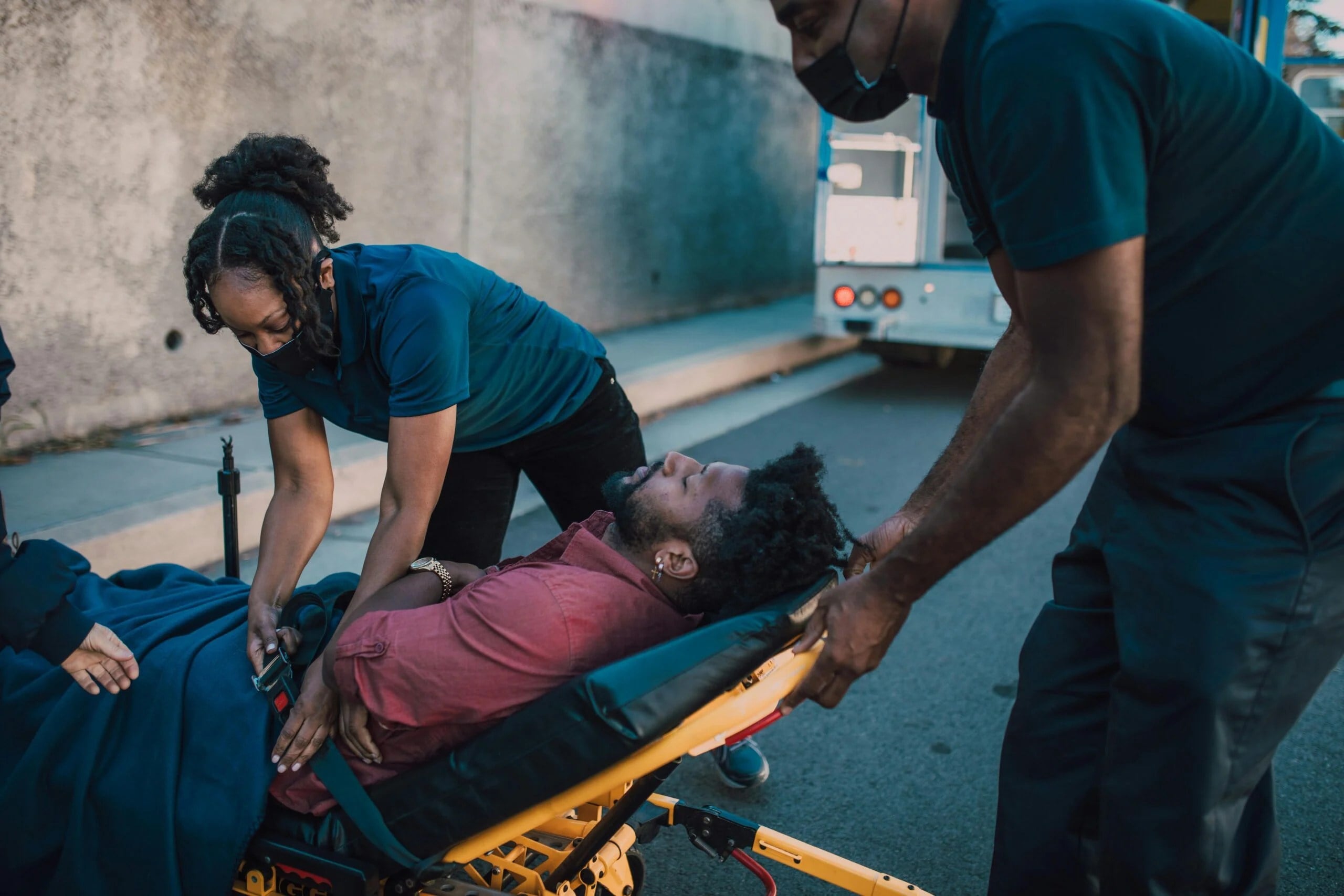
How to put someone in the recovery position: step by step
Work through these recovery position steps calmly and in order. The Triple Zero operator can guide you through them over the phone.
Before you roll: confirm the person is unconscious but breathing normally, and that you have called or sent for help on 000.
| Step | What you do |
|---|---|
| 1 | Kneel beside the person and straighten both legs. |
| 2 | Place the arm nearest you out at a right angle to the body, elbow bent, palm facing up. |
| 3 | Bring the far arm across the chest and hold the back of that hand against the cheek nearest you. |
| 4 | With your other hand, grasp the far leg above the knee and pull it up so the foot is flat on the ground. |
| 5 | Keeping the hand pressed to the cheek, pull on the bent knee to roll the person toward you onto their side. |
| 6 | Adjust the top leg so both the hip and knee are bent at right angles, which keeps the person stable. |
| 7 | Tilt the head gently back to keep the airway open, and check the mouth is pointing slightly down so fluid can drain. |
| 8 | Keep watching their breathing until paramedics arrive. If breathing stops or becomes abnormal, roll them onto their back and start CPR. |
Is the recovery position on the left or right side?
For most unconscious adults, either side is acceptable — what matters is that the person is on their side, stable, and the airway is open so fluid can drain. There is one important exception: a woman in the later stages of pregnancy should be placed on her left side. Lying on the left takes the weight of the womb off the major vein (the inferior vena cava) that returns blood to the heart, which keeps blood flowing well to both mother and baby. If you are ever unsure, the left lateral position is a safe default.
Special cases: pregnancy, seizures and after CPR
Pregnancy
As above, place a pregnant woman on her left side to keep blood flowing to the heart and the baby. Otherwise the steps are the same.
Seizures
Do not try to restrain someone or move them into the recovery position during a seizure. Clear the area of hazards and protect their head. Once the convulsions have stopped and the person is unconscious but breathing, place them in the recovery position and keep watching their breathing.
After CPR
If a person you have been resuscitating starts breathing normally again, place them in the recovery position and keep monitoring closely — be ready to restart CPR if their breathing stops.
Babies and infants
A baby is held rather than rolled: cradle the infant in your arms with the head tilted slightly downwards so the airway stays clear and fluid can drain, and keep watching their breathing.
Where the recovery position fits in DRSABCD
The recovery position is the action you take at the B (Breathing) step of the DRSABCD action plan — the basic life support sequence used across Australia. Once you have checked for Danger, Response, Sent for help, opened the Airway and confirmed the casualty is Breathing normally, the recovery position is how you hold them safely while you wait. If they are not breathing normally, you move to CPR instead.
While you wait with the casualty, check their wrist and neck for a medical ID. A medical ID can tell a responder what they cannot ask an unconscious patient — conditions, medications and who to contact — and it may carry a membership number for an online medical records service such as MedibandPlus.
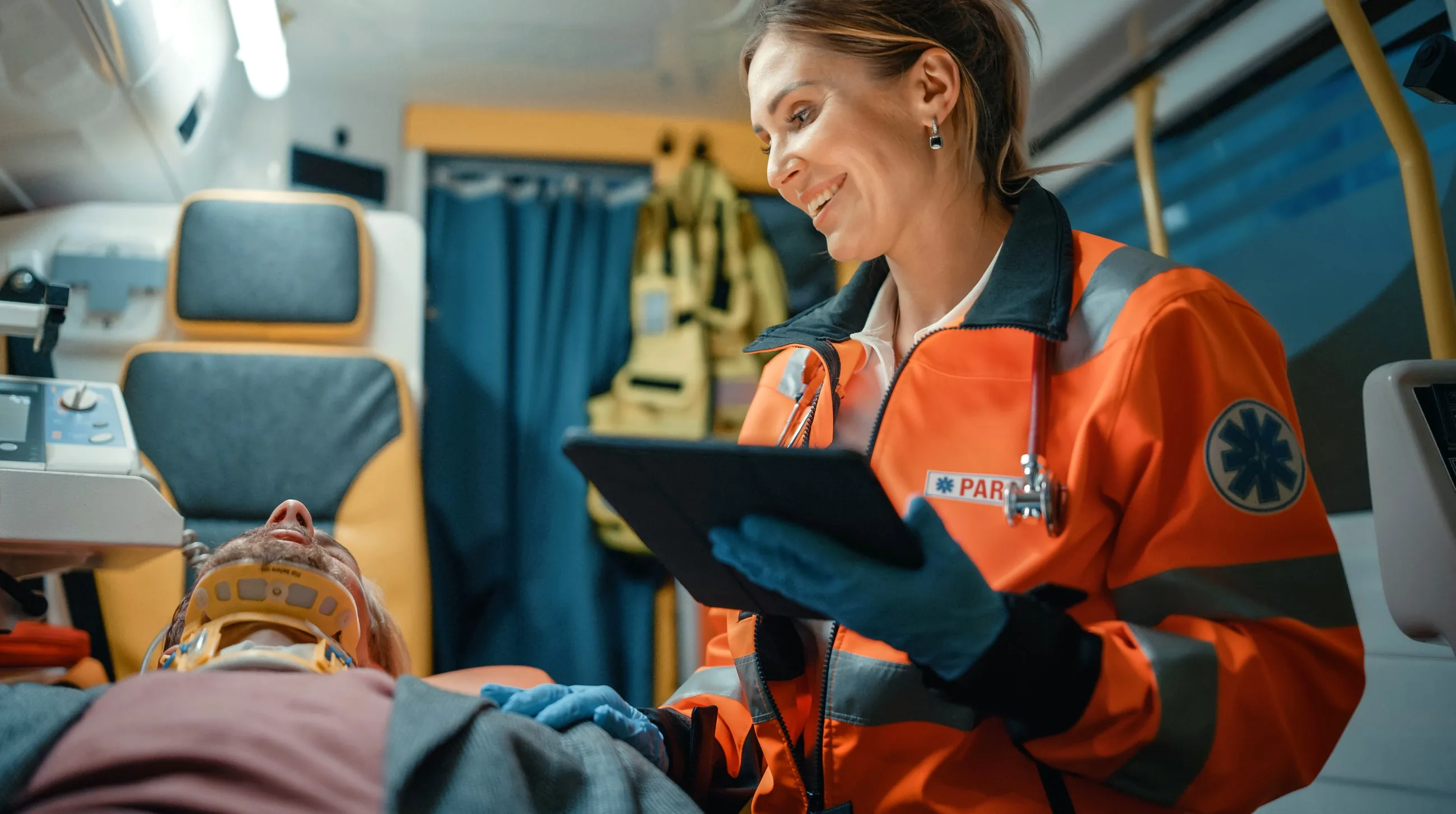
With MedibandPlus, that membership number lets first responders access a secure profile that stores the wearer's health conditions, medications and next-of-kin contact. It does not assess or diagnose anything — it simply makes the wearer's own information available when they cannot speak, so the right care reaches them sooner and their family is contacted quickly.
Part of the Mediband family. Designed in Australia since 2004.
Related reading: seizure first aid, asthma first aid, the full DRSABCD first aid action plan, how to set up your emergency contacts, and why online medical records matter if you have a medical condition. When you are ready, you can start a MedibandPlus membership.
Recovery position FAQs
What is the recovery position?
The recovery position is a stable position on the side, used for a person who is unconscious but breathing normally. It keeps the airway open and lets fluid or vomit drain from the mouth instead of being inhaled.
When should you use the recovery position?
Use it when a person is unconscious and breathing normally. If they are not breathing normally, do not use the recovery position — call Triple Zero (000) and start CPR straight away.
Is the recovery position on the left or right side?
For most adults either side is acceptable, as long as the person is stable on their side with the airway open. A woman in late pregnancy should be placed on her left side to keep blood flowing to the heart and the baby.
What is the primary purpose of the recovery position?
The primary purpose is to keep the airway clear. In an unconscious person lying on their back, the tongue can fall back and vomit can pool; the side-lying position lets both drain away so the person keeps breathing until paramedics arrive.
Should you put someone having a seizure in the recovery position?
Not during the seizure — do not restrain or move them while they are convulsing. Once the seizure has stopped and the person is unconscious but breathing, place them in the recovery position and monitor their breathing.
Sources
- ANZCOR Guideline 4 — Airway — airway management in an unresponsive person, and the lateral side-lying position used to keep the airway clear.
- St John Ambulance Australia — recovery position and first aid training.
- healthdirect — First aid — general first aid guidance, including what to do for someone who is unconscious but breathing.
- Triple Zero (000) — when and how to call Australia’s emergency number, and what the call taker will ask you.
Disclaimer: This article is general first aid information, not medical advice or a substitute for accredited first aid training. In an emergency, always call Triple Zero (000). MedibandPlus stores and provides access to a member's own medical information; it does not monitor, assess or diagnose any condition.


